What to Watch Out for When Picking Up and Driving a Rented Van
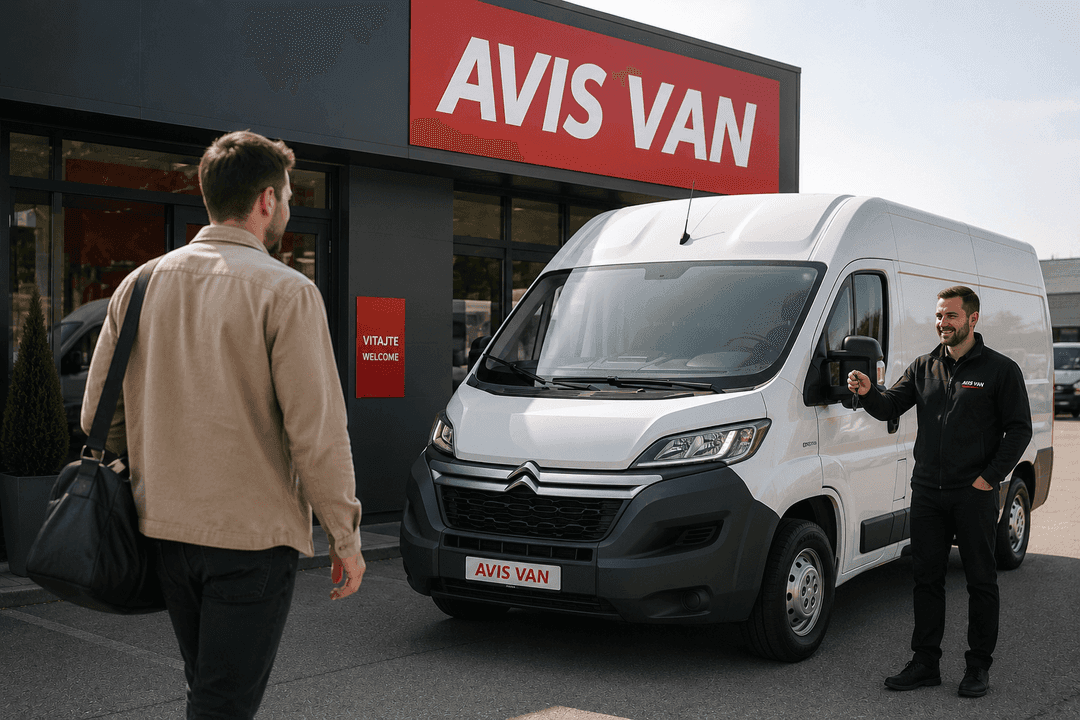
Renting a van is a practical solution for moving, transporting materials, work projects, and even temporarily expanding a company’s fleet. However, when picking up a rented van, there are more things to consider than with a passenger car. Its larger dimensions, taller body, and cargo area change the way you drive as well as the risks associated with using the vehicle.
When renting through AVIS VAN, it’s therefore worth paying attention not only to the vehicle’s exterior condition but also to its height, cargo area, existing damage, and the terms of the rental. It’s also important to know how to properly load and secure cargo and what to watch out for when parking or backing up.
Spending a few minutes on a pre-pickup inspection can help prevent unpleasant situations and additional costs. In this article, you’ll find a practical guide on what to check before driving off, how to drive safely with your AVIS VAN rental, and what not to forget before returning it.
AVIS VAN Pre-Departure Inspection
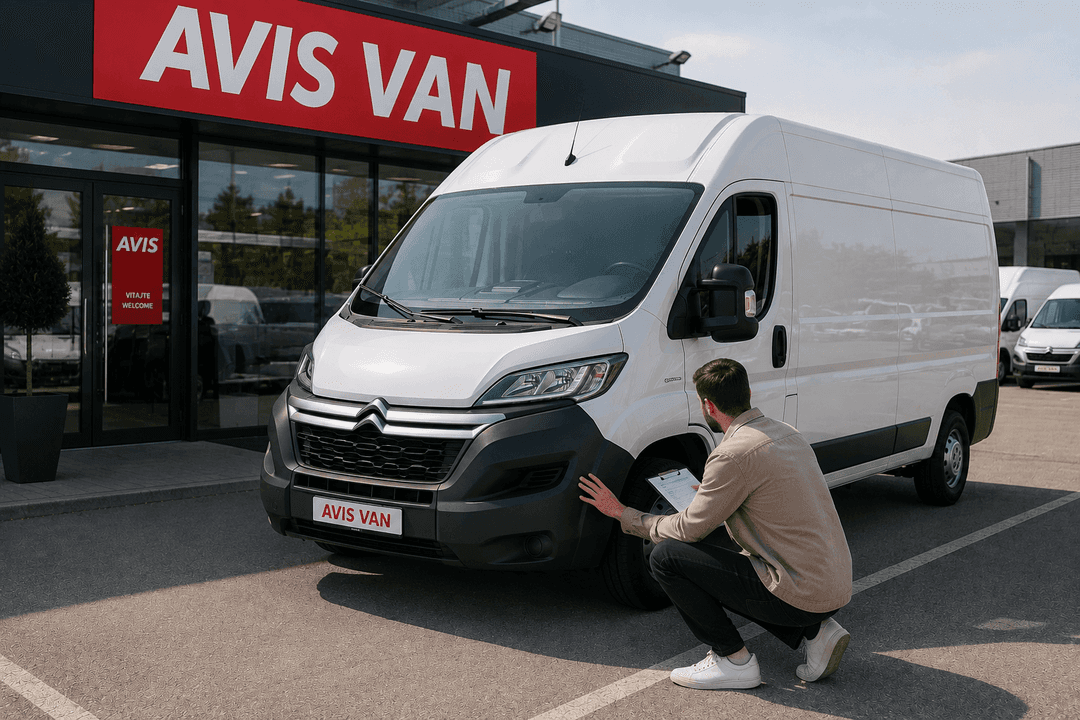
Before you set out on your journey with your rental van, please inspect its current condition. AVIS VAN inspects vehicles before each rental and records their condition in the handover report. If you notice any damage that is not listed in the report, you must notify a branch employee before using the vehicle.
What to Check Upon Pickup
Walk around the entire vehicle and check the following in particular:
- bumpers, fenders, and doors,
- rearview mirrors,
- lights,
- tires and rims,
- the windshield,
- sliding and rear doors,
- cargo area,
- floor, and interior trim.
If you find a scratch, dent, or other damage, have it noted. It’s also worth checking the interior of the cab and the condition of the standard equipment.
A rented van is taller and larger than a passenger car
One of the most common mistakes when driving a van is underestimating its size. If you’re used to driving a passenger car, when you first drive a commercial vehicle, you’ll need to get used not only to its greater length and width, but especially to its height.
Watch out for height restrictions
Before entering an underground garage, parking garage, warehouse, or facility, check to see if the vehicle’s height is permitted.
Pay special attention to:
- underground garages,
- low entryways,
- underpasses,
- ramps,
- parking garage roofs,
- loading areas.
Check the height of the van before your trip and don’t rely solely on an estimate. With AVIS VAN, it’s also important to observe all height and size restrictions while using the vehicle.
Leave extra space when parking
A van needs more space to maneuver. Therefore, when backing up and parking, proceed more slowly and use parking sensors or a camera, if the vehicle is equipped with them.
If possible, have someone help you when backing up. A few extra seconds are better than a damaged bumper or rear door.
Protect the cargo area of your AVIS VAN from damage
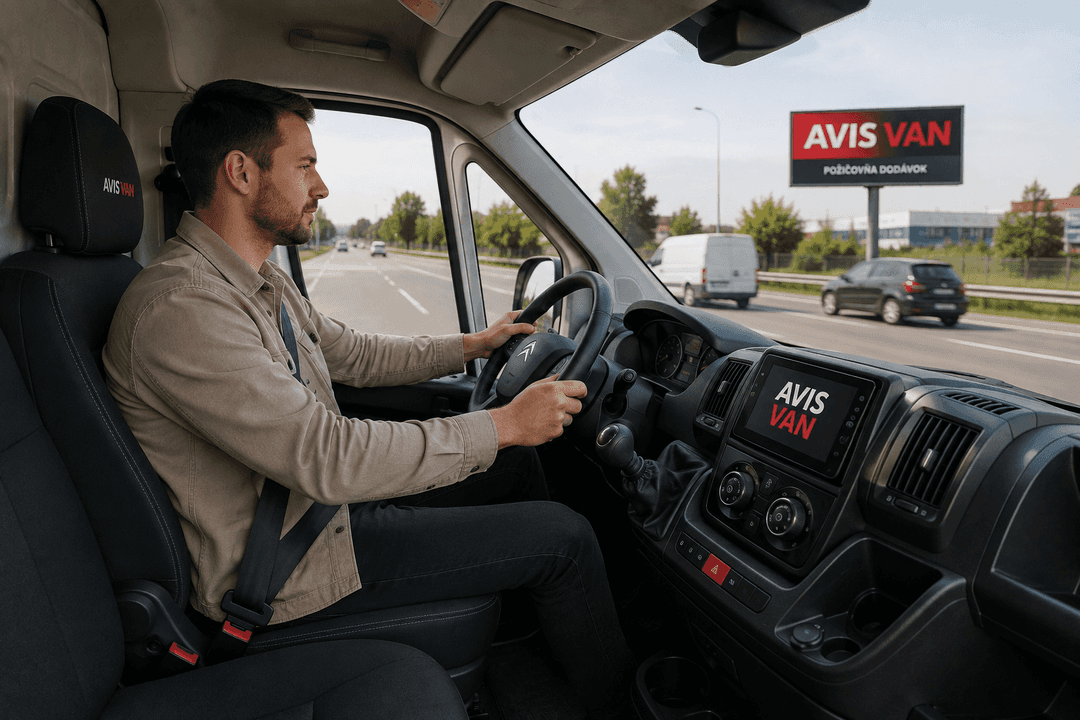
The cargo area is one of the most heavily used parts of the vehicle during delivery. During moving, construction work, or the transport of materials, the floor may get scratched, the interior trim may be damaged, or the area may become dirty.
Check the floor before loading
Before loading, check the condition of:
- the floor,
- the side walls,
- interior trim,
- the rear doors,
- sliding doors,
- mounting points.
Any existing damage should be noted in the rental documentation.
With AVIS VAN, damage to the cargo area is assessed based on the current price list and the extent of the damage. Therefore, it is a good idea to pay as much attention to this part of the vehicle as you do to the body.
Always secure your cargo properly
It’s not enough for the cargo to simply fit inside the van. It must not be allowed to move freely while driving.
Place heavier items securely and as low as possible. You can use appropriate straps to secure them. AVIS VAN offers cargo straps as an optional service.
Properly secured cargo protects not only the goods being transported but also the vehicle itself and its cargo area.
Watch Out for Contamination in the Cargo Area
AVIS VAN vans are designed to transport various types of cargo, but certain activities can cause significant soiling of the cargo area.
Typical examples include moving, transporting construction materials, tools, yard waste, or items from which water, oil, or other liquids may leak.
How can you protect the cargo area?
Before loading dirty or sensitive materials, use:
- cardboard boxes,
- protective plastic sheeting,
- blankets,
- pads,
- appropriate fasteners.
Pay special attention to paints, oils, chemicals, mud, and objects with sharp edges.
The current AVIS VAN price list specifies a fee of €100 (excluding VAT) for excessive soiling of a commercial vehicle’s cargo area. In cases of extreme soiling requiring special cleaning or decontamination, costs may be higher.
Therefore, it’s worth protecting the cargo area while you’re using the vehicle.
When driving, keep the van’s weight and dimensions in mind
A loaded van handles differently than an empty one. The increased weight affects acceleration, braking, and handling in turns.
Observe the maximum load limit
When loading, pay attention not only to the cargo area volume but also to the vehicle’s maximum allowable weight.
AVIS VAN reminds you of the obligation to comply with the maximum allowable load for commercial vehicles. Overloading may result in a contractual penalty and possible compensation for damages.
Therefore, distribute the load evenly and do not exceed the permitted load.
Adapt your driving to the vehicle
When driving a van:
- maintain a greater following distance,
- brake well in advance,
- drive smoothly through turns,
- proceed slowly when backing up,
- allow for a larger turning radius,
- be aware of the vehicle’s height and width.
Be especially careful in strong crosswinds, as a taller vehicle is more susceptible to crosswinds.
Before returning your AVIS VAN, perform a final inspection
Before returning the vehicle, it’s a good idea to repeat the inspection you performed when you picked it up.
Pre-return checklist
- Check the exterior,
- Check the tires and rims,
- Inspect the cargo area,
- Remove any common dirt,
- Check the fuel level,
- Remove all personal belongings,
- Check for any new damage,
- return the vehicle at the agreed-upon location and time.
If damage occurs during the rental period, report it to AVIS VAN in accordance with the rental terms and conditions. The current price list also specifies a separate fee for failure to report damage within 24 hours of its occurrence.
The Most Common Mistakes When Renting a Van
Similar mistakes are often made when renting a van. Most of them can be easily avoided.
What do drivers most often forget?
- They fail to check the vehicle’s height before pulling into a garage.
- They fail to document damage that wasn’t listed in the inspection report.
- They overload the vehicle.
- They fail to secure the cargo.
- They transport dirty materials without protecting the floor.
- When backing up, they underestimate the vehicle’s dimensions.
- They forget to check the cargo area before returning the vehicle.
- They fail to report damage in a timely manner.
A simple pre-trip inspection can help prevent these situations.
Rent an AVIS VAN without any unnecessary complications
Renting an AVIS VAN can be a practical solution for moving, transporting materials, work projects, and corporate logistics. However, the key to a hassle-free rental is choosing the right vehicle and using it responsibly throughout the entire rental period.
When picking up the van, pay particular attention to any existing damage, the vehicle’s height, and the condition of the cargo area. While driving, be mindful of the van’s larger dimensions and weight, and always secure your cargo properly.
If you follow these basic rules, renting an AVIS VAN will be easier, and you’ll also reduce the risk of damaging the vehicle or incurring unnecessary additional costs.
FAQ: AVIS VAN Rental
What should you check when picking up an AVIS VAN?
Check the body, tires, rims, lights, mirrors, interior, and especially the cargo area. Report any damage not listed in the inspection report to an AVIS VAN representative before driving away.
Why is it important to know the height of the rented van?
A van can be significantly taller than a passenger car. Therefore, you must take the vehicle’s height into account when entering garages, underpasses, warehouses, and other areas with height restrictions.
Can AVIS VAN charge a fee for a dirty cargo area?
Yes. The current AVIS VAN price list includes a fee for excessive soiling of the cargo area of a commercial vehicle. In cases of extreme soiling, additional costs may apply depending on the extent of cleaning required.
How should I properly secure the cargo in the van?
Distribute the cargo evenly, place heavier items securely, and use appropriate tie-down straps. AVIS VAN offers cargo tie-down straps as an optional service.
What should you do if the rented van is damaged?
Report the damage to AVIS VAN as soon as possible and follow the rental company’s instructions. When picking up the vehicle, always check that all existing damage is recorded in the inspection report.
